
Dental Implants – Castle Rock, CO
New Teeth for a Lifetime of Stunning Smiles

Dental implants allow patients with missing teeth to look and feel like they were never gone. They simply replicate nature better than any other solution, and now you can get it right here at Smile Castle Rock. From single teeth to an entire row, our team can give you a new smile for life with this treatment that has already helped millions of patients in the United States alone. Call today to set up your consultation for state-of-the-art dental implants in Castle Rock!
Why Choose Smile Castle Rock for Dental Implants?
- Led by Highly Experienced Dental Experts
- Friendly, Warm, & Knowledgeable Dental Team
- Partnered with Dental Implant Ceramist
What Are Dental Implants?
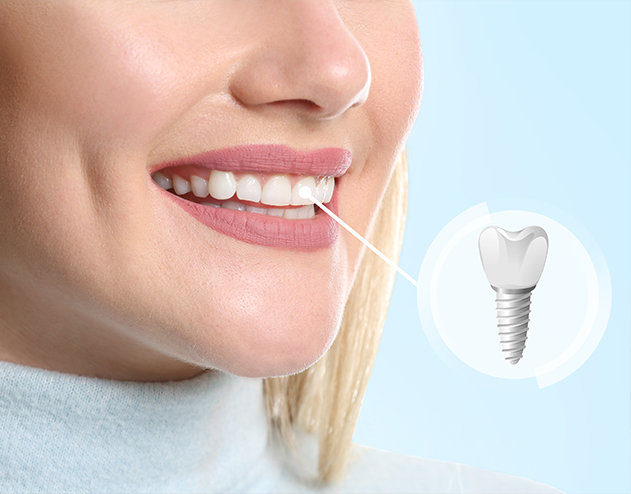
A dental implant isn’t a prosthetic tooth, but rather a new tooth root that consists of a tiny titanium post. This is positioned within the jawbone where a natural tooth used to be, and once there, the surrounding bone starts to bond with it through a process called osseointegration. This is what gives implants their unmatched strength. Once they are ready, these posts can be attached to crowns, bridges, or dentures depending on the needs of the patient.
The 4-Step Dental Implant Process
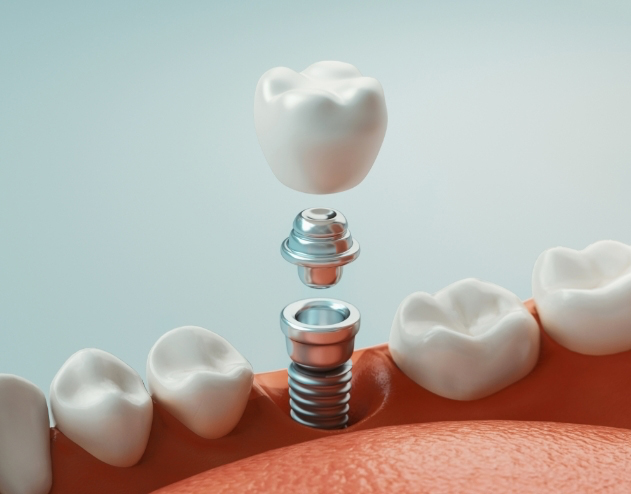
Every dental implant procedure that our team at Smile Castle Rock creates is custom-tailored to meet each of our individual patient’s needs, and because of this, no two treatment plans may look the same. At your initial consultation, Dr. Radz or Dr. Thompson, your dental implants dentists, will discuss their findings with you as well as their treatment recommendations, allowing you to get a better understanding of what your journey will look like. In most cases, each treatment consists of four main steps: the consultation, surgery, healing period and abutment attachment, and finally, securing the restoration.
The Initial Dental Implant Consultation
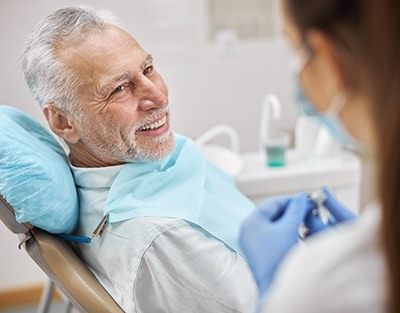
The first step on your journey towards a whole and functional smile is the initial consultation with Dr. Radz or Dr. Thompson. During this visit, you’ll get plenty of one-on-one time with your dentist to discuss all of your tooth replacement options with you. They’ll examine your mouth, ask about your oral and medical health history, and discuss your smile goals with you. Based on all of the information our team gathers, we’ll be able to let you know whether you’re a good candidate for dental implants in Castle Rock.
Dental Implant Surgery
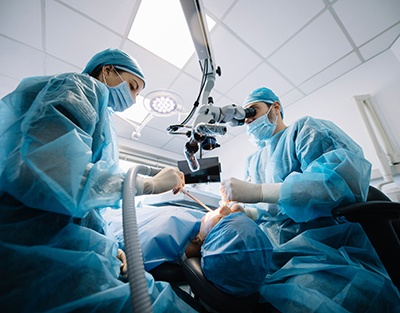
Next, the dental implants themselves will be surgically placed below the gumline and within the jawbone. Although this procedure sounds extensive, it’s fairly minor and doesn’t involve a lot of downtime. Our team works alongside local dental implant experts to make sure you achieve the best results possible, so we’ll refer you out for this part of the process.
Osseointegration & Abutment Attachment
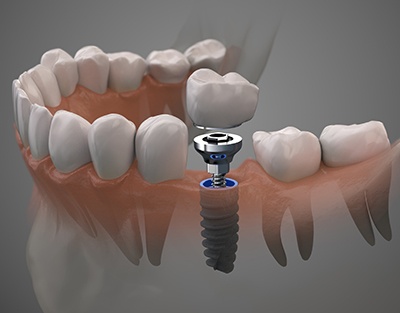
Following your surgery, your gums will begin to heal around your dental implants and your implants will begin osseointegration, which is the process where they fuse with the jawbone. This will occur over the following three to six months after your surgery. Once osseointegration is complete, our team will have you come back in to secure small metal connector pieces called abutments to your implants.
Delivering the Final Restoration

Finally, after your gums have healed around the abutments and our team has received your final dental restoration from our laboratory, we’ll have you return to our office to have your new teeth connected to your implants. In some cases, we may have an implant ceramist come to the office and work with patients to create custom-designed restorations for the best possible appearance.
Benefits of Dental Implants
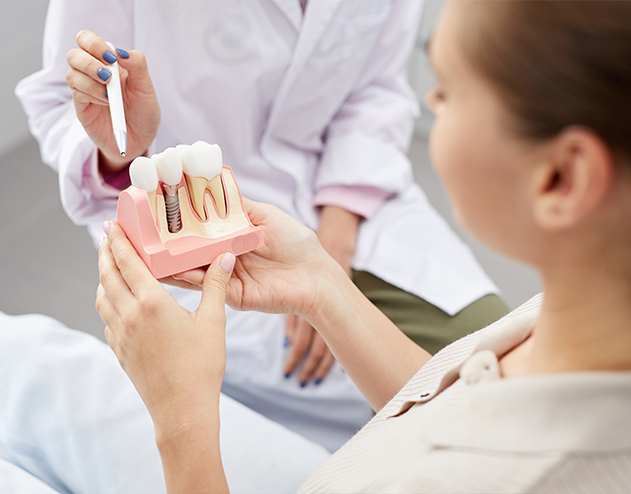
Dental implants in Castle Rock haven’t been around as long as traditional bridges and dentures, but they are growing more and more popular due to the many unique benefits they offer. If you’re still trying to decide whether dental implants are right for you, it’s worth taking the time to consider the many advantages associated with them. Below is a brief look at some particularly notable benefits of dental implants.
Day-to-Day Benefits

There are several ways dental implants can help you get the most out of your everyday life:
- The Ability to Eat Most Foods: You’ll be able to eat virtually anything you want once the final crown, bridge, or denture has been attached to your dental implants. This is because the implant posts provide stability and chewing power that is almost on par with your natural teeth.
- The Ability to Speak More Clearly: If you wear traditional dentures, you might sometimes slur your words due to your prosthesis slipping out of place. Dental implants ensure that your replacement teeth will stay put while you’re trying to speak, allowing you to communicate clearly with others.
- Easier Oral Hygiene: Taking care of dental implants isn’t much different than taking care of your natural teeth. You can simply brush and floss like you normally would; there’s no need to worry about learning any complicated cleaning techniques.
Health Benefits

As an implant dentist in Castle Rock can tell you, dental implants can be an excellent choice for your smile due to the many ways they can benefit your oral health:
- Preservation of the Jawbone: Did you know that your teeth stimulate the jawbone in order to help it maintain its strength and bone density? Dental implants can provide the same sort of stimulation, which means they can help combat the bone loss that usually occurs when teeth are missing.
- Protection for Your Remaining Teeth: If you still have some of your natural teeth, there’s a chance that they could start to drift toward the empty space that’s now present in your smile due to tooth loss. Fortunately, dental implants can fill these gaps and keep your remaining teeth properly aligned.
- Better Nutrition: It’s easier to maintain a nutritious diet when you aren’t limited in what you can eat. Dental implants give you the freedom to enjoy all kinds of foods, including those that your body needs to stay in excellent health.
Long-Term Benefits

Dental implants offer plenty of advantages in the short term, but their long-term benefits should not be overlooked:
- High Success Rate: In 95% of cases, dental implants remain successful even 20 years after their initial placement. They’re definitely worth considering if you want a reliable solution for tooth loss.
- A More Youthful Appearance: Bone loss in your jaw can ultimately result in a sunken, aged look. But dental implants can prevent this problem, which can go a long way toward helping you look younger.
- Durability: Dental implants can typically last far longer than other forms of tooth replacement. In fact, it’s possible for dental implant posts to last a lifetime if they receive the right kind of care.
Who Dental Implants Can Help

We can use dental implants to help patients dealing with any degree of tooth loss, from a single gap to those who have no natural teeth left and everything in between. The treatment is flexible enough that we can tailor it to your situation in the following ways as needed.
Missing One Tooth

A custom-made crown is supported by an implant that is placed among healthy teeth. Unlike a bridge, this new tooth won’t require the nearby teeth to be reshaped at all, preserving your existing enamel.
Missing Multiple Teeth

Both dental bridges and partial dentures can be anchored in place using a small number of implants to restore a few or even several teeth at once.
Missing All of Your Teeth

Rather than just having a full denture sit on top of the gums, we can secure it with just four to six implants. This makes it much more stable and also helps the prosthetic maintain its initial fit for years to come because it fortifies the jawbone.
Understanding the Cost of Dental Implants

Because the individual steps of the dental implant treatment can vary from patient to patient depending on their situation, the cost of the procedure can differ as well. While implants seem like a big investment when compared to other options, their benefits are well worth it (just ask anyone with implants!), plus their longevity actually helps patients save money over time because they don’t have to pay for frequent replacements. Here’s a quick look at how dental implants are usually priced from the friendly team at Smile Castle Rock.
Preliminary Treatments & Dental Implant Surgery

A suitable candidate for dental implants will be free from oral infections like cavities and gum disease, and we will be happy to address these issues in our office so you can qualify for the treatment. While any restorative procedures administered will be represented on your bill, they may receive some coverage from your dental insurance plan. You’ll also need strong jawbones, so we may have to refer you to a specialist for bone grafts before you can receive implants. Dental implant placement surgery will also incur its own cost, and we’ll be sure to walk you through the treatment process during your consultation so you can know what you can expect to pay.
The Parts of Your Dental Implant
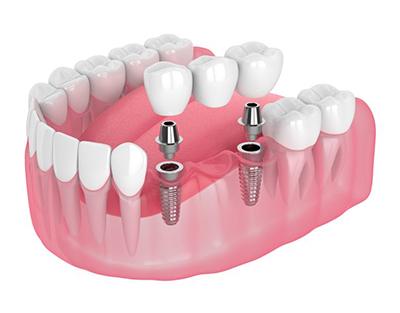
The cost of your dental implants will also be determined by factors like:
- Number of implants: Each individual implant will be noted on your bill.
- Type of restoration: Larger restorations like dentures require more material to make and are, therefore, more expensive than smaller restorations like crowns.
- Size and material: Longer implants are more expensive than shorter ones, and devices crafted from zirconia may be priced differently than those made from titanium.
- Brand: Please contact our office if you’d like to know more about who manufactures our dental implants.
How Dental Implants Can Save You Money

While traditional restorations may seem more affordable than dental implants at first glance, these devices will typically need to be replaced within seven years even if they receive excellent care. Traditional bridges and dentures also do not address the problem of bone atrophy that occurs after tooth loss, so they may not be able to prevent issues like dental drift and facial collapse. Dental implants, on the other hand, can last for several decades or even a lifetime if they receive excellent care, which can negate the need for frequent expensive replacements. They can also stimulate the jawbone to prevent bone loss, which can help a patient avoid oral health problems that are costly to treat.
Does My Dental Insurance Cover Dental Implants?
Dental insurance policies do not usually cover dental implants, but we’ll be happy to go over your plan with you in case it is an exception. However, insurance will usually pay for preliminary treatments that address oral infections at least in part. We’ll be sure to help you understand what your policy will pay for during your consultation.
Making Dental Implants Affordable

We understand that many patients may need a little help fitting their dental implants into their budgets, so we offer several options that can make their bills easier to manage. These include:
- Flexible financing options: We partner with iCreditWorks, a trusted third-party financier that can break your bill into easy monthly payments.
- Our in-house membership plan: For $40 a month, you can have your routine oral care covered and receive a 20% discount on many of our other services.
Maintaining & Caring for Your Dental Implants
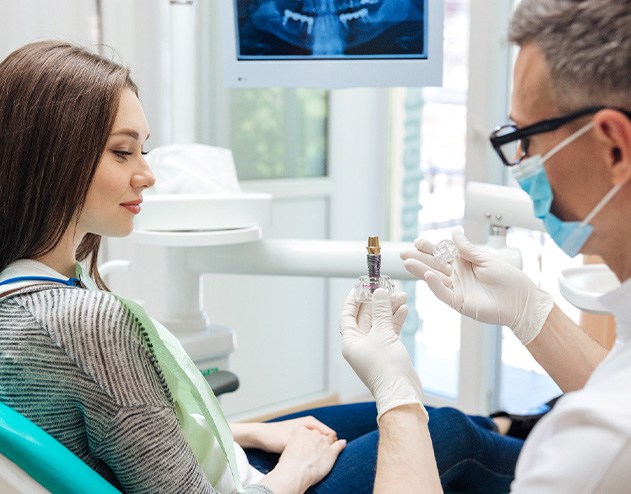
Many experts consider dental implants the ideal way to rebuild smiles after tooth loss because of their many unique advantages. For instance, unlike alternative treatments, these restorations help preserve your jawbone, prevent dental drifting, and are so firmly rooted that they are unlikely to become destabilized or dislodged.
But that’s only as long as you care for them correctly. Continue reading to learn more about recommended ways to help maintain your dental implants so you can enjoy their benefits for years to come, and feel free to contact us if you have additional questions.
Make Oral Hygiene a Priority
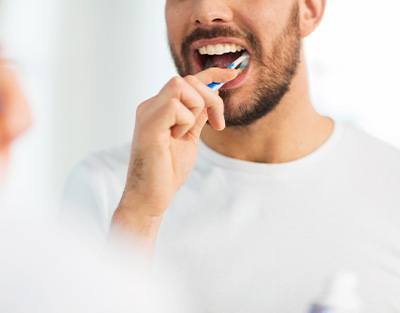
Your new teeth are made from biocompatible materials to help ensure your mouth won’t reject them, but unlike your natural enamel, they can’t get cavities. However, it’s essential to maintain a twice-daily dental hygiene routine to prevent the surrounding tissues from developing disease or decay, which can contribute to failure.
You can help maintain them by brushing and flossing both morning and night, taking care not to press so deeply into the pocket of your implants that you damage their protective seals.
Eat a Healthy Diet

These prosthetics are the only ones that are embedded in your jaw and eventually fuse with the bone to become a more permanent part of your mouth. As a result, they are so firmly rooted that there are very few dietary restrictions required.
But that doesn’t mean they’re invincible, and eating overly hard, sticky, crunchy, acidic, or sugary foods can be problematic. Fortunately, your new teeth are strong enough that patients can enjoy a wide variety of wholesome foods to enhance their oral and overall health. For instance, dairy products contain calcium for strong teeth and bones, and many citrus fruits and leafy greens are high in vitamin C to support your connective tissues.
Break Bad Habits

You might think anxiously nibbling your fingernails, chewing pen caps, or eating ice is harmless, but your dental implants aren’t meant to be used on such hard objects. You might accidentally chip, crack, or destabilize them if you use them as tools or to bite items not intended for oral use, so it’s best to try to break these habits.
Furthermore, if you smoke cigarettes, vape, or use tobacco products, you may be significantly more likely to harm your new teeth. They contain nicotine, which suppresses your immune system and reduces healthy blood flow to your mouth. This increases the likelihood of developing an infection after oral surgery, such as peri-implantitis, the leading cause of failure.
Protect Your Dental Implants
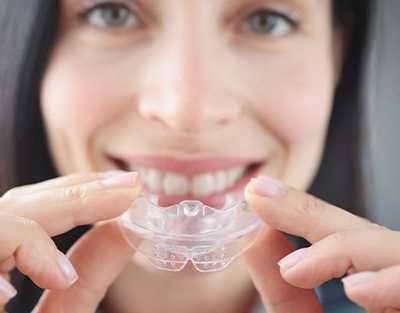
Athletes and other who participate in close-contact activities are prone to sustaining injuries that can hurt their teeth and restorations. Not only that, but subconsciously grinding your teeth at night can hinder successful recovery after your procedure or hurt your new teeth.
Thankfully, our team can provide custom-fitted oral appliances, such as a mouthguard or nightguard, to safeguard your smile from physical trauma.
Schedule Regular Dental Checkups
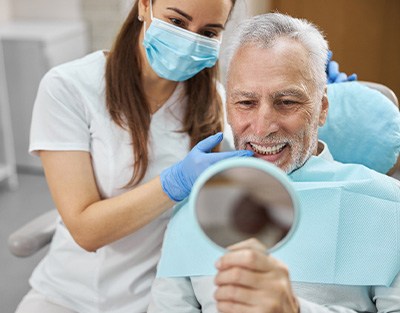
Seeing our team every 6 months for a routine checkup and cleaning allows us to monitor your condition so we can identify and address any areas of concern, such as swollen gums or a loose dental implant, before they progress into more serious problems.
Dental Implant FAQs
Does Getting Dental Implants Hurt?
The jawbone doesn’t have many nerve endings, and you can rest assured that your implant surgeon will numb your mouth before your procedure. If you’re worried about discomfort or general anxiety during placement, they’ll also provide dental sedation upon request. You’ll simply have to make sure you discuss this option with your surgeon ahead of time so they can make the proper arrangements.
Attaching the restoration to dental implants, meanwhile, is generally painless. You may feel a bit sore after receiving your new smile, but this can usually be managed with over-the-counter pain relievers and should fade within a week or two.
If your discomfort lasts longer than expected or becomes severe, please let us know immediately so we can check on your dental health.
Are Dental Implants Safe?
Dental implants are considered to be extremely safe. In fact, this treatment has a success rate of 90%. That said, honesty is key during your consultation. Certain medical conditions, like diabetes and rheumatoid arthritis, can complicate the dental implant process when not accounted for during treatment planning. Many patients with these conditions can still safely receive dental implants as long as proper preparations are made.
It’s also important to mention any medications or supplements you might be taking, as they might interfere with the anesthetic, the thickness of your blood, and other such things.
What Can Cause Dental Implants to Fail?
Overall, dental implant failure is uncommon, but there are a few factors that can increase your risk. For example:
- Chronic teeth grinding and clenching
- Tobacco usage
- Poor oral hygiene
- Gum disease
- Low jawbone density
Your implant dentist will work with you closely to make sure your risk of implant failure is mitigated as much as possible. That said, your lifestyle habits and at-home oral hygiene are up to you!
Can I Get Dental Implants If I Smoke?
Smoking does increase your risk of dental implant failure, and can slow the healing process after dental implant surgery. Some patients who smoke heavily also have jawbone or tissue damage and require grafting before they can safely receive dental implants.
That said, it’s not impossible to get dental implants if you smoke. Because of the complications it causes, we highly recommend quitting the habit, but we also understand that this can be easier said than done. We’ll be happy to work with you to devise an oral care strategy that will take smoking into account and mitigate your risk of related complications.